
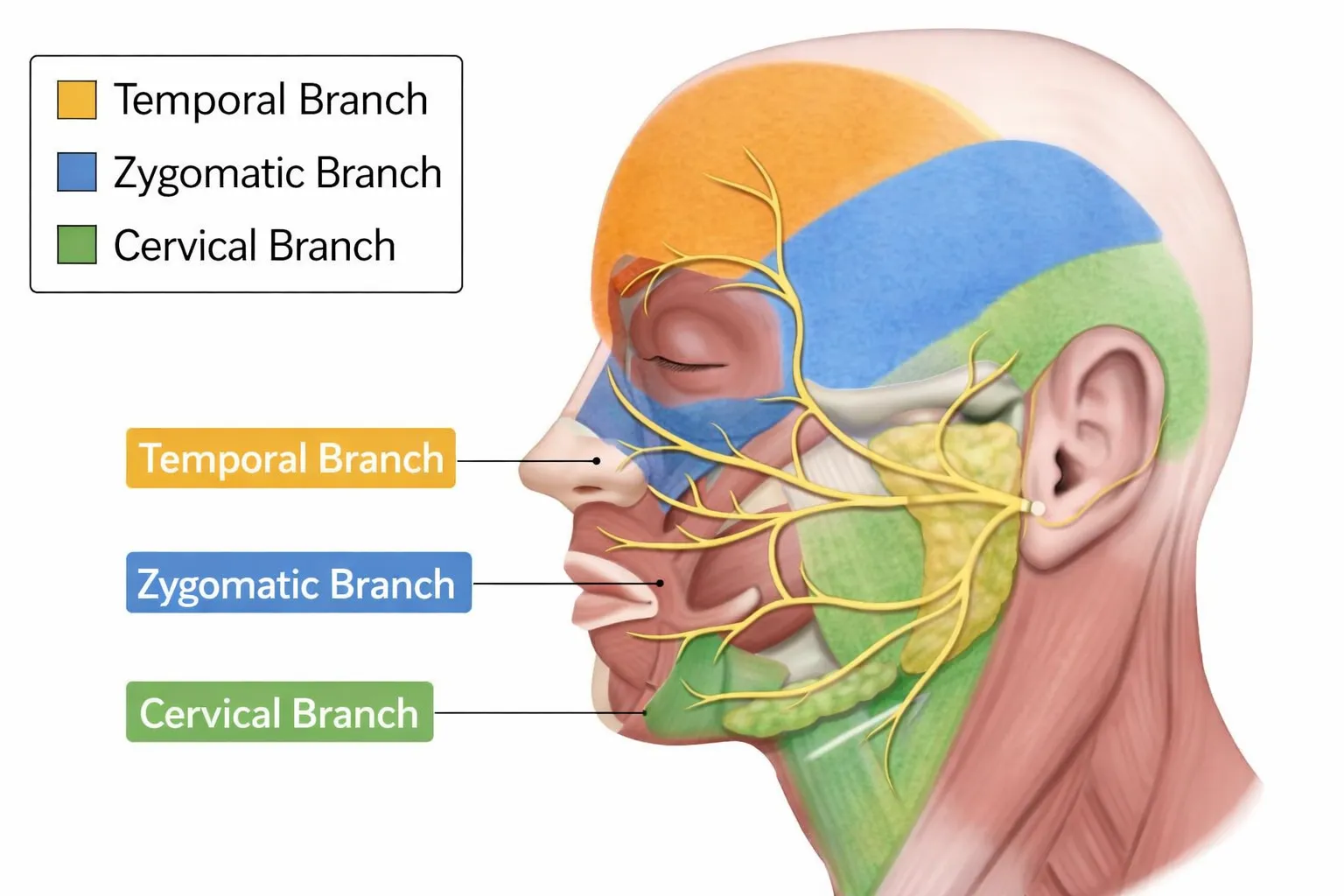
Trigeminal Neuralgia Care with Advanced Nerve Therapy
Our chiropractic clinics offers a specialized, non‑invasive approach to Trigeminal Neuralgia that targets the irritated trigeminal nerve using Class 4 high‑intensity laser therapy and Stimpod NMS460 transcutaneous pulsed radiofrequency (tPRF). These technologies are designed to calm overactive pain signals, support nerve repair, and reduce the frequency and intensity of facial pain episodes.
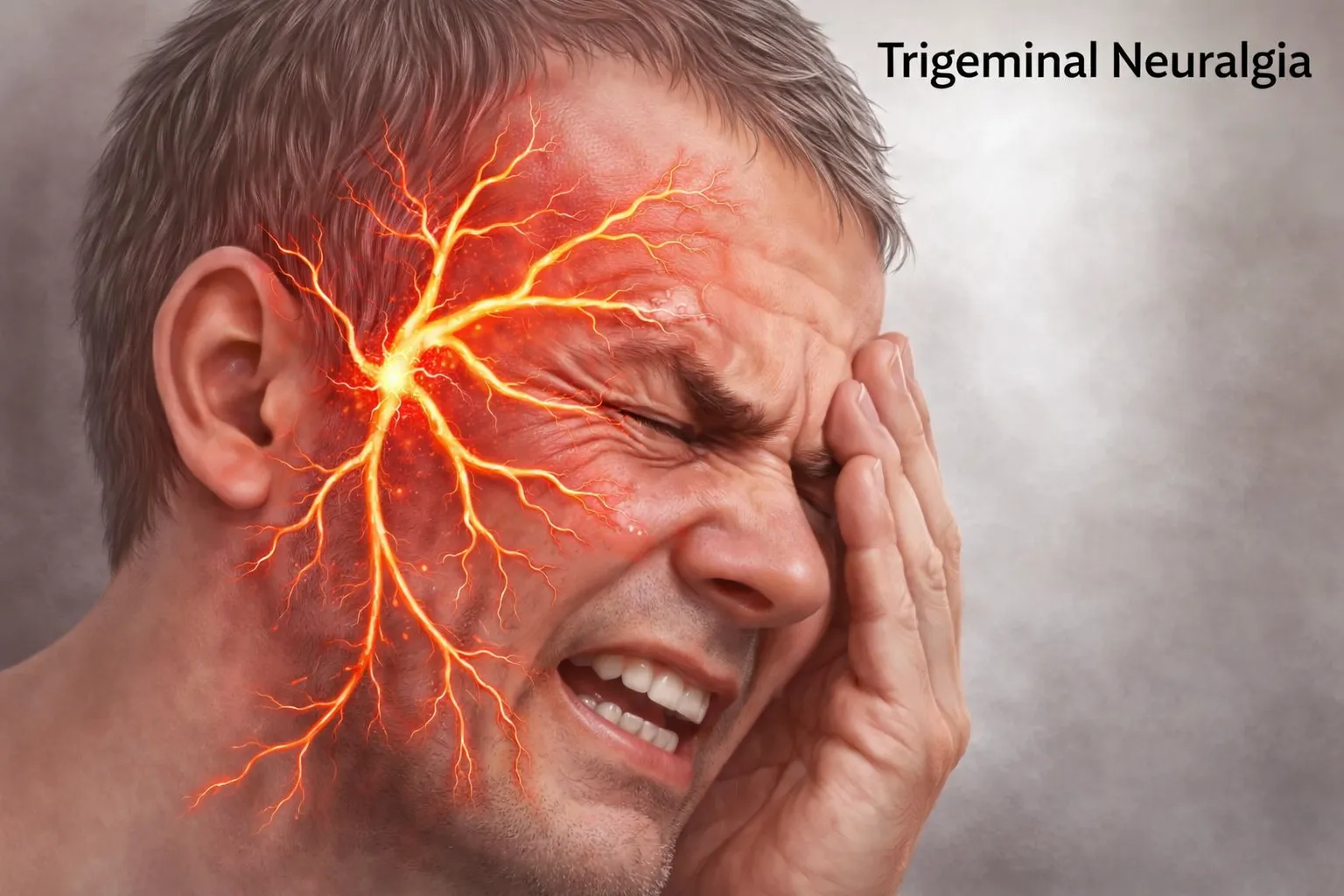
What Is Trigeminal Neuralgia?
Trigeminal Neuralgia is a severe facial pain condition caused by irritation or dysfunction of the trigeminal nerve, the major sensory nerve that carries feeling from the face to the brain. Patients often describe sudden, shock‑like, stabbing, or burning pain in the cheek, jaw, teeth, or around the eye, sometimes triggered by everyday activities such as talking, chewing, brushing teeth, or even a light breeze.
Traditional treatment can include medications, injections, or surgery, but not everyone responds well or tolerates side effects. Our goal is to offer a conservative, nerve‑focused option that works alongside your medical care to reduce pain at its source and improve quality of life.
How Class 4 High‑Intensity Laser Affects the Trigeminal Nerve
Class 4 therapeutic lasers deliver a powerful beam of light energy that penetrates several centimeters into tissue, reaching deeper nerve branches and surrounding structures. Compared with low‑power or “cold” lasers, Class 4 laser allows us to treat a larger volume of tissue more efficiently while remaining non‑invasive and comfortable for most patients.
Cellular and Nerve Effects
High‑intensity laser therapy is used in nerve pain conditions because it can:
- Increase cellular energy production (ATP) in nerve and surrounding tissues, supporting regeneration and repair of irritated nerve fibers.
- Promote vasodilation and microcirculation, bringing more oxygen and nutrients to the nerve and helping clear inflammatory byproducts that aggravate pain.
- Reduce inflammation and swelling around the nerve, which can lessen mechanical irritation and hypersensitivity.
- Support normalization of nerve conduction by improving the health of myelin and axons, the structures that carry electrical signals.
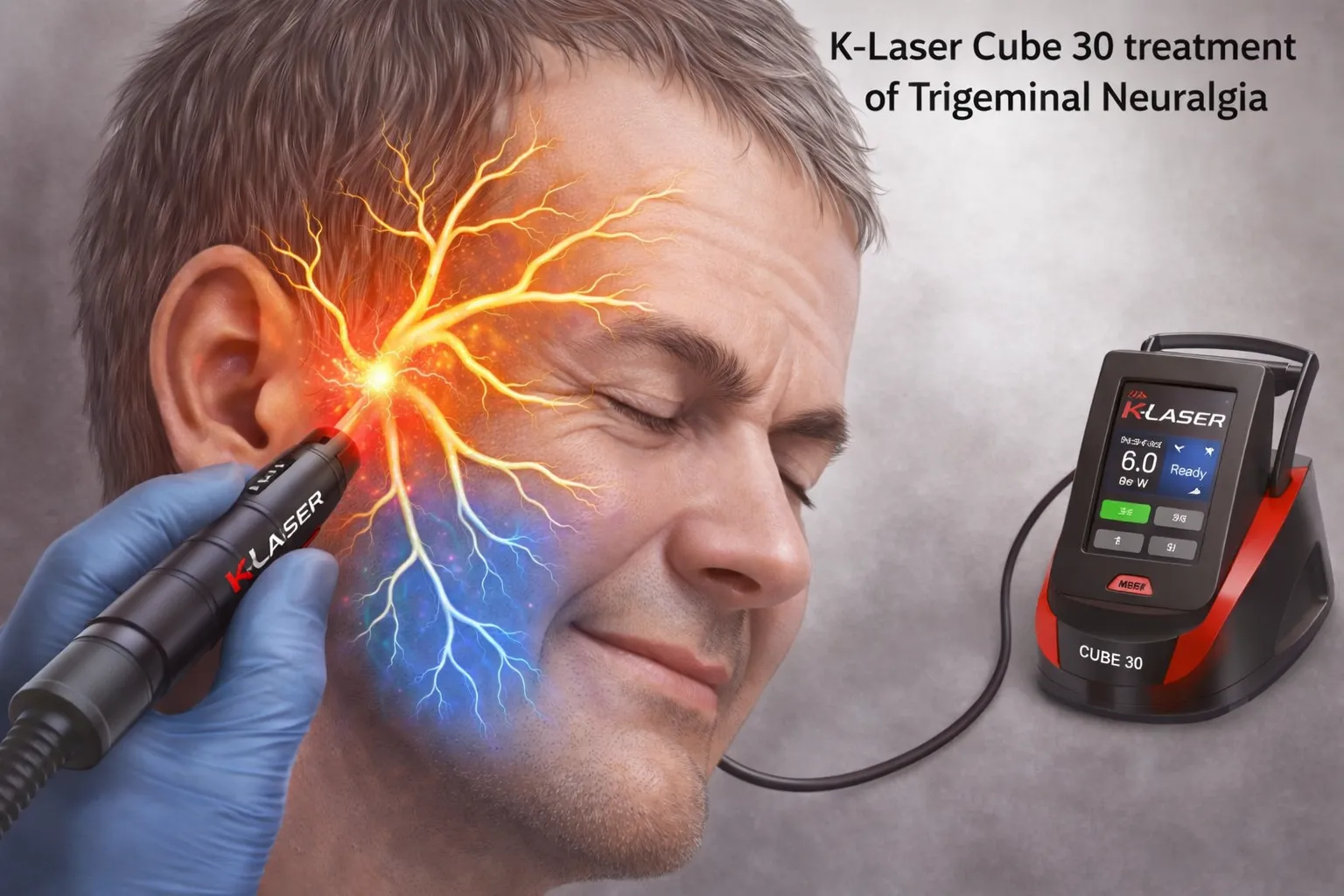
In Trigeminal Neuralgia, this means helping create a healthier environment for the trigeminal nerve so it can fire more normally and less explosively. As the nerve stabilizes, patients may experience fewer pain attacks, less “electric shock” sensation, and shorter or less intense flares.
Potential Benefits for Trigeminal Neuralgia
When incorporated into a structured care plan, Class 4 laser therapy may help:
- Decrease frequency and intensity of facial pain episodes.
- Reduce burning, throbbing, or aching sensations between attacks.
- Improve tolerance to common triggers such as chewing or speaking.
- Support long‑term nerve health as part of a broader nerve‑healing strategy.
Treatments are delivered with a handheld applicator moved gently over the involved facial regions, along the path of the trigeminal nerve and its branches, and sometimes into the upper neck or jaw area depending on your presentation. Parameters are adjusted to your comfort and sensitivity level.
How Stimpod NMS460 tPRF Helps “Reset” Painful Nerves
The Stimpod NMS460 is a non‑invasive neuromodulation device that delivers a specialized transcutaneous pulsed radiofrequency (tPRF) waveform through a small pen‑like probe placed on the skin over the affected nerve. Unlike surgical radiofrequency procedures that use heat to damage tissue, this low‑intensity tPRF is designed to influence nerve activity and metabolism without destroying the nerve.
Effects on Nerve Signaling and Metabolism
In neuropathic pain conditions, including Trigeminal Neuralgia, nerves often fire abnormally and become hypersensitive. Stimpod‑based tPRF neuromodulation has been used to:
- Calm abnormal nerve firing patterns, reducing the intensity of sharp, electric‑like pain bursts.
- Decrease hypersensitivity of the nerve so normal touch or light movement is less likely to trigger severe pain.
- Influence the cellular metabolic activity of neuropathic nerves, supporting a shift back toward more normal function.
- Promote blood flow, reduce local inflammation, and support processes involved in nerve regeneration and long‑term recovery.
Clinical reports of non‑invasive PRF applied with the Stimpod in patients with Trigeminal Neuralgia have shown meaningful reductions in pain scores, often from severe levels to mild levels, with improved quality of life and fewer daily interruptions from pain.

What a Stimpod Session Feels Like
During treatment, the provider moves the small probe along the course of the trigeminal nerve, using low‑frequency mapping to precisely locate the most irritated branches. Once located, the device delivers brief bursts of its patented waveform while you feel a gentle tapping, buzzing, or pulsing sensation in the area.
Sessions are typically brief, do not require anesthesia, and have no downtime. Over a series of visits, many patients notice that their nerve feels calmer, flare‑ups are less frequent, and the overall pattern of pain starts to shift toward more manageable levels.
Why Combine Class 4 Laser and Stimpod for Trigeminal Neuralgia?
Trigeminal Neuralgia involves both structural irritation and functional hypersensitivity of the nerve. Using Class 4 laser and Stimpod together allows us to support both aspects at the same time:
- Class 4 laser focuses on the tissue environment: reducing inflammation and swelling, improving circulation, and supporting structural repair of the nerve and surrounding tissues.
- Stimpod tPRF focuses on nerve behavior: calming abnormal firing, improving nerve metabolism, and “resetting” dysfunctional signaling patterns that drive pain.
Synergistic Benefits
When combined in a comprehensive plan, these therapies can:
- Address the root of facial pain by improving both nerve health and nerve communication.
- Provide non‑drug, non‑surgical pain relief that may reduce reliance on medications for some patients (in coordination with their prescribing physician).
- Offer an option for those who are not candidates for invasive procedures or who prefer a conservative approach first.
- Create a more stable, resilient nerve over time, potentially reducing flare‑ups and improving daily comfort.
We also integrate chiropractic and soft‑tissue care when appropriate, especially in the upper neck and jaw regions, to reduce mechanical stresses that may contribute to trigeminal irritation.
What to Expect During Care
Your first visit typically includes:
- A detailed history of your pain pattern, triggers, prior treatments, and medical conditions.
- A focused neurological and musculoskeletal exam, including facial sensory mapping and evaluation of the jaw and neck.
- A customized plan outlining how often you will receive Class 4 laser and/or Stimpod sessions and how progress will be monitored.
During follow‑up visits, you may receive:
- Class 4 high‑intensity laser therapy
- Applied along the trigeminal nerve pathway and key facial and neck areas.
- Most patients feel a gentle warmth, and treatment is usually well tolerated.
- Stimpod NMS460 tPRF neuromodulation
- The probe is positioned over specific nerve branches; parameters are adjusted to elicit a comfortable, effective response.
- You remain awake, able to give feedback, and can resume normal activities afterward.
Treatment frequency and duration vary by case severity and chronicity, but many people begin with several sessions over the first few weeks and then taper as the nerve stabilizes and pain improves.
Safety, Collaboration, and Next Steps
Both Class 4 laser and Stimpod tPRF are non‑invasive, drug‑free therapies performed on the skin surface. Safety measures include screening for conditions such as active malignancy in the treatment area, pregnancy, implanted electronic devices, or other contraindications, and using appropriate eye protection during laser sessions.
These treatments are not a replacement for medical care or emergency evaluation, especially when new or unusual neurological symptoms appear, but they can be an important part of a comprehensive, conservative strategy for Trigeminal Neuralgia. We collaborate with your neurologist, pain specialist, or primary physician to coordinate medications, imaging, and other interventions while we focus on improving nerve function from a mechanical and metabolic standpoint.
If you are living with Trigeminal Neuralgia and are looking for options beyond medication or surgery, we invite you to schedule a consultation to see whether Class 4 high‑intensity laser therapy and Stimpod NMS460 neuromodulation are appropriate for your case. Early, targeted nerve care may help you regain control over your pain and return more fully to the activities you enjoy.
